Every year, new buzzwords appear such as AI, Web3, Metaverse, automation, personalization and us marketers rush to keep up. But the truth is that not every shiny trend will last.
If you are tired of reading about the next big thing, this article is for you. Let’s explore the future of digital marketing in a way that feels real and practical. These are the directions that are genuinely shaping how brands connect with people today and in the years to come.
1. AI Will Be a Tool, Not a Replacement
Artificial Intelligence has already transformed how we write,
design, plan campaigns, and respond to customers. It is fast,
efficient, and powerful, but it still needs human creativity
to make an impact.
The future of digital marketing depends on how we use AI to
support human thinking. It can help draft ideas, analyze data,
and personalize experiences while humans bring empathy,
creativity, and storytelling to the process. The brands that
succeed will be those that use AI thoughtfully to enhance
creative decisions and connect meaningfully with audiences.
Trend to trust: The combination of human creativity and AI precision.
2. First-Party Data Is the New Marketing Gold
For years, marketers depended on third-party cookies to track
and target users. With privacy changes and new regulations,
that era is ending. The
future of digital marketing will rely on first-party
data and information collected directly from customers through
email subscriptions, loyalty programs, and interactive tools.
When audiences share their data voluntarily, it reflects
trust. The goal is to create transparency and offer genuine
value in exchange for that information.
Trend to trust: Privacy-first marketing and transparent
data practices.
3. Short-Form Video Is Here to Stay
Reels, Shorts, and TikToks continue to dominate digital
spaces. However, audiences are now looking for videos that
offer substance and emotion rather than trends that fade
quickly. Short videos with a relatable story or real human
moments make a stronger impression. A simple behind-the-scenes
clip or a customer story can build deeper connections than any
scripted performance.
Trend to trust: Storytelling that focuses on emotion
and authenticity.
4. Search Is Expanding Beyond Google
Search habits are changing quickly. People now discover
information through TikTok, YouTube, Instagram, and even
AI-based tools such as ChatGPT or Perplexity.
Younger audiences often search visually or socially before
turning to traditional search engines. This means that a
brand’s content should be easily discoverable across several
platforms, not just on its website.
Optimizing for multiple channels and creating content that
answers real questions will define the next phase of SEO.
Trend to trust: Multi-platform discoverability through useful, relevant content.
5. Community Matters More Than Followers
Follower counts once defined success in digital marketing.
That idea is losing relevance. What matters today is genuine
connection. Communities built through newsletters, WhatsApp
groups, or even small online spaces create a stronger sense of
belonging. People want to engage with brands that listen,
respond, and make them feel part of something meaningful. A
smaller, loyal community can often drive more value than a
large, passive audience.
Trend to trust: Community-driven engagement built on
trust and shared values.
6. Authenticity and Sustainability Build Real Connection

Modern audiences value transparency. They want to see real
efforts in sustainability, inclusivity, and ethical
communication. The next phase of marketing will reward honesty
and responsibility. Showing the people behind a brand, sharing
real processes, and being open about challenges creates
authenticity that advertising alone cannot achieve.
Trend to trust: Genuine impact and transparency in
communication.
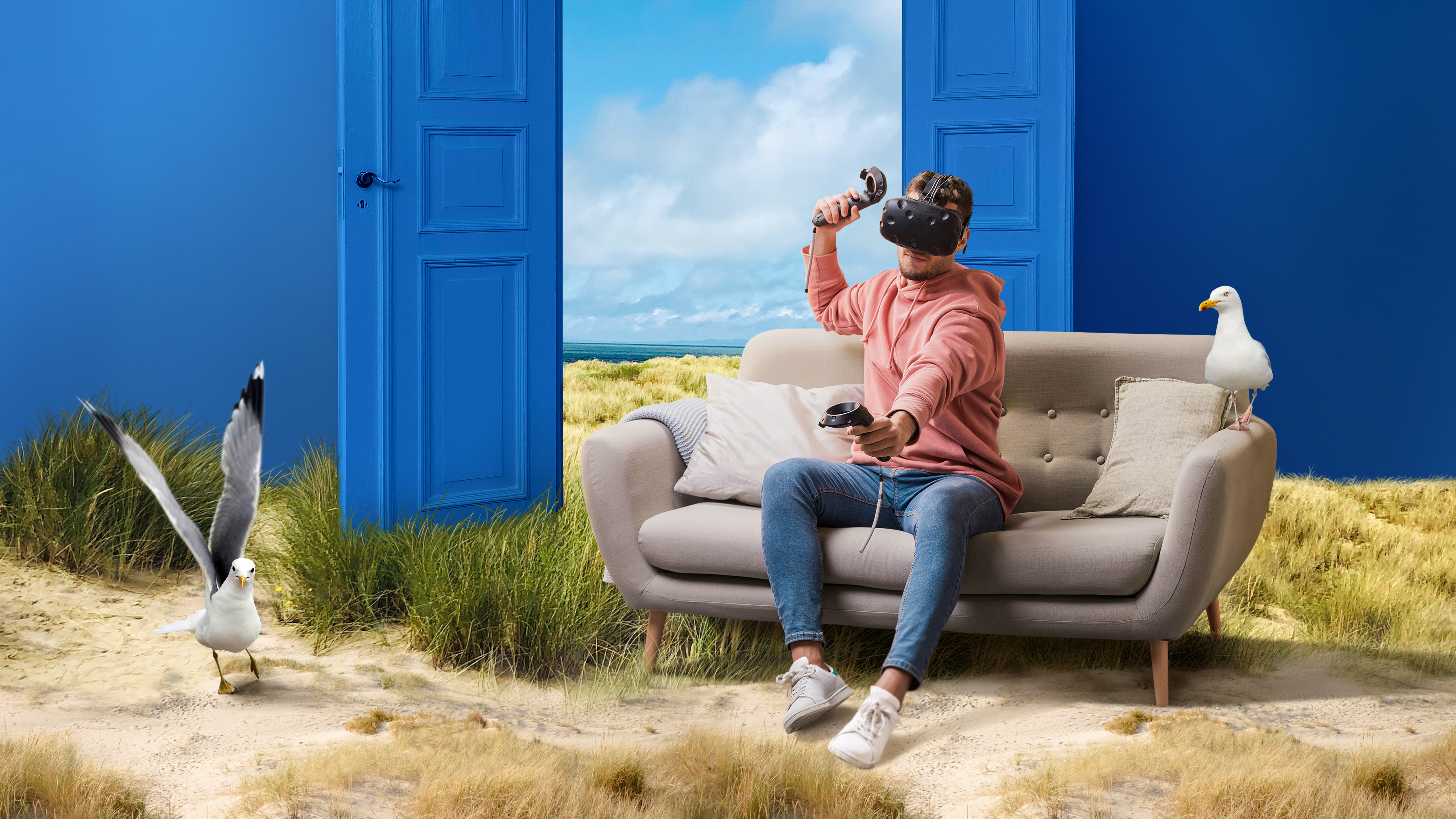
7. The Rise of Immersive and Interactive Experiences
Augmented Reality (AR) and Virtual Reality (VR) are becoming
more accessible, changing how customers experience products
and services.
From virtual product trials to 3D home tours, immersive
experiences help people visualize and explore before they
decide. The most effective uses of AR or VR will be those that
simplify understanding and create memorable interactions.
Trend to trust: Purpose-driven interactive
storytelling.
8. Meaningful Marketing Will Lead the Future
The future of digital marketing is about using technology to
communicate with purpose. Attention is valuable only when it
is earned through relevance and empathy.
Marketers who understand people’s emotions, habits, and values
will create stronger brands. Every new platform or tool should
be seen as a way to serve audiences better, not just to sell
faster.
Focusing on timeless values such as trust, creativity, and
authenticity will always outlast any short-lived trend.
Trend to trust: Marketing that prioritizes clarity,
care, and genuine connection.
Digital marketing will continue to evolve. Platforms,
algorithms, and technologies will change, but one truth
remains: marketing is about people.
When brands communicate honestly, offer value, and respect
their audience’s time and privacy, they stay relevant through
every wave of innovation.
The future of digital marketing is not about chasing